Meaning
Context
Meaning, metrics, semantic layers, ontology, lineage, glossary, and business rules.
A data professional's guide to Context, Control, Cost, and Choice in the agentic AI era.
One price includes the full book, the ten-template toolkit, the Databricks Context Engineer practice exam, and every future update.
From the team 100,000+ learners follow
Agents are moving from demos to production. The teams who ship trusted systems share one habit — they design for Context, Control, Cost, and Choice from day one. Every data professional needs this lens to stay valuable in the agentic era.
Meaning, metrics, semantic layers, ontology, lineage, glossary, and business rules.
Governance, guardrails, approvals, audit logs, access policies, and safe agent actions.
Model spend, token usage, routing, budgets, rate limits, alerts, and cost-aware AI design.
Model flexibility, open formats, cloud choice, tool interoperability, and freedom from lock-in.
Agents can answer, reason, and act. But in real enterprises, they need trusted business context, clear control, cost discipline, and freedom of choice. Without these foundations, AI systems can give wrong answers, take unsafe actions, overspend, or create vendor lock-in.
because context is missing.
because control is weak.
because cost is not managed.
because choice is ignored.
Read in order or jump to the C you need today. Each chapter blends a story, a concept, and a practical pattern. Three new chapters just landed in Part 2.
Why enterprise AI needs a new foundation.
Ch 1.The Day Data Started Talking Back
9 min read
Ch 2.The Agentic Era Is Not Just About Agents
8 min read
Ch 3.Smart Models Still Need Smart Systems
9 min read
Ch 4.The 4 C's Framework
7 min read
Meaning is the new data layer.
Ch 5.Context Is the New Data Layer
7 min read
Ch 6.Business Meaning Beats Raw Retrieval
6 min read
Ch 7.Semantic Layers, Ontologies, and Metrics in Simple Words
7 min read
Ch 8.From Data Catalog to Business Memory
8 min read
Ch 9.The Context Engineer
6 min read
Ch 10.Institutional Memory Is the Moatnew
9 min read
Ch 11.Context Is a Living Layer, Not a Documentnew
7 min read
Ch 12.Portable Context: The Open Contract for Agentsnew
7 min read
Governance for agents, not just humans.
Ch 13.Governance Was Built for Humans. Agents Need More.
6 min read
Ch 14.From Access Control to Action Control
7 min read
Ch 15.Guardrails, Approvals, and Audit Trails
6 min read
Ch 16.Trust Is Designed, Not Assumed
5 min read
Ch 17.Human in the Loop Still Matters
6 min read
Designing AI that doesn't break the bill.
Ch 18.The Hidden Cost of Agentic AI
6 min read
Ch 19.Not Every Task Needs the Best Model
6 min read
Ch 20.Budget-Aware AI Design
6 min read
Ch 21.Quality, Speed, and Cost Tradeoffs
6 min read
Open formats and freedom from lock-in.
Ch 22.The Danger of AI Lock-In
5 min read
Ch 23.Open Formats, Open Interfaces, Open Thinking
5 min read
Ch 24.Build for Change
5 min read
Ch 25.Platform Independent, Platform Aware
6 min read
Becoming the agentic data professional.
Ch 26.The Agentic Data Professional
6 min read
Ch 27.Skills That Will Matter More Than Tools
6 min read
Ch 28.Speaking the Language of Business and AI
5 min read
Ch 29.Career Roadmap for the Agentic Era
6 min read
Practical patterns you can run at work.
Ch 30.The Trusted Agent Architecture
7 min read
Ch 31.Building Your First Context Layer
7 min read
Ch 32.The 4 C's Readiness Assessment
6 min read
Ch 33.The 90-Day Enterprise AI Learning Plan
6 min read
Ch 34.Designing Multi-Agent Systems That Actually Work
7 min read
Ch 35.Retrieval Mechanics: Chunking, Hybrid Search, and Rerankingnew
11 min read
Ch 36.Compaction and the Token Budgetnew
10 min read
The book is the argument. The toolkit, the practice exam, and the updates are how it turns into work you can ship.
36 chapters across 7 parts, including the Implementation Playbook. Read on any device, in any order.
Read 3 chapters freeTen interactive templates for RFPs, vendor reviews, and architecture meetings — with exportable scorecards.
See the templatesA full practice experience for the Databricks Context Engineer Associate certification, with domain-level scoring.
Try the practice examEvery new chapter, essay, and template lands inside the same edition. Buy once, keep reading as the field moves.
See what changed36 chapters, ten working templates, and the Databricks Context Engineer practice exam — for $59 once, updated for as long as the agentic era keeps moving.
One payment. Lifetime updates as the agentic era evolves.
Full web access, all future chapters, templates, case studies, glossary, and the companion blog.
BricksNotes grew from 40,000 to 100,000 learners the slow way: essays, videos, and field-tested patterns that data engineers, analysts, and AI builders could use the same week they read them — not slideware. The Context Advantage is the long-form distillation of that work.
Read the 40,000 → 100,000 learners story on BricksNotes.
Learners reached
Countries learning with us
Free essays + videos shipped
Voices from data + AI teams already reading along.
“Finally a book that treats context as engineering, not vibes. I've been sending the semantic-layer chapter to every new hire on my platform team.
“The four C's framework gave us a shared language across data, security, and product. Our AI roadmap reviews are 30% shorter and twice as honest.
“Most AI books age in six months. This one reads like field notes from people actually shipping. The cost and choice chapters alone paid for themselves.
The book teaches the ideas. The toolkit helps you apply them. Ten interactive templates — built for real RFPs, vendor reviews, and architecture meetings.
Context · ~25 min
All · ~20 min
Choice · ~20 min
Cost · ~10 min
All · ~15 min
All · ~20 min
Control · ~15 min
Choice · ~15 min
Control · ~10 min
All · ~12 min
Free guides, the four pillars, the glossary, and the practice exam — the whole free layer around the book, in the order most readers use it.
Be honest with yourself before you buy. We'd rather you skip this book than feel oversold.
This book will grow with the agentic AI era. As new patterns, platforms, tools, and architectures evolve, the web version will keep receiving updates, examples, and practical notes.
36 chapters across seven parts — Part 7 is the Implementation Playbook.
Field notes, new patterns, reader questions.
Fresh case studies as teams ship to production.
Practical templates you can use the same week.
How major platforms evolve against the 4 C's.
Answers to the questions you and readers are asking.
Chapters 1–3 set the foundation: why context is the new moat, why enterprises are complicated, and what an agent actually needs to act.
Want picks tailored to your role? Get a personalized plan →
Team BricksNotes makes complex data + AI topics easier to understand. Three principles guide every essay, video, and chapter.
Every chapter opens with a real scene — an incident, a decision, a team in motion — before naming the pattern. You remember stories. You forget definitions.
We don't chase model releases. We write down the patterns that keep working across model generations, vendors, and platforms — so what you learn this year still pays next year.
BricksNotes is a living publication. As the agentic era evolves, chapters, examples, and the companion blog evolve with it. Your copy keeps getting better.
Field notes on context, control, cost, and choice — written alongside the book as the ground keeps moving.
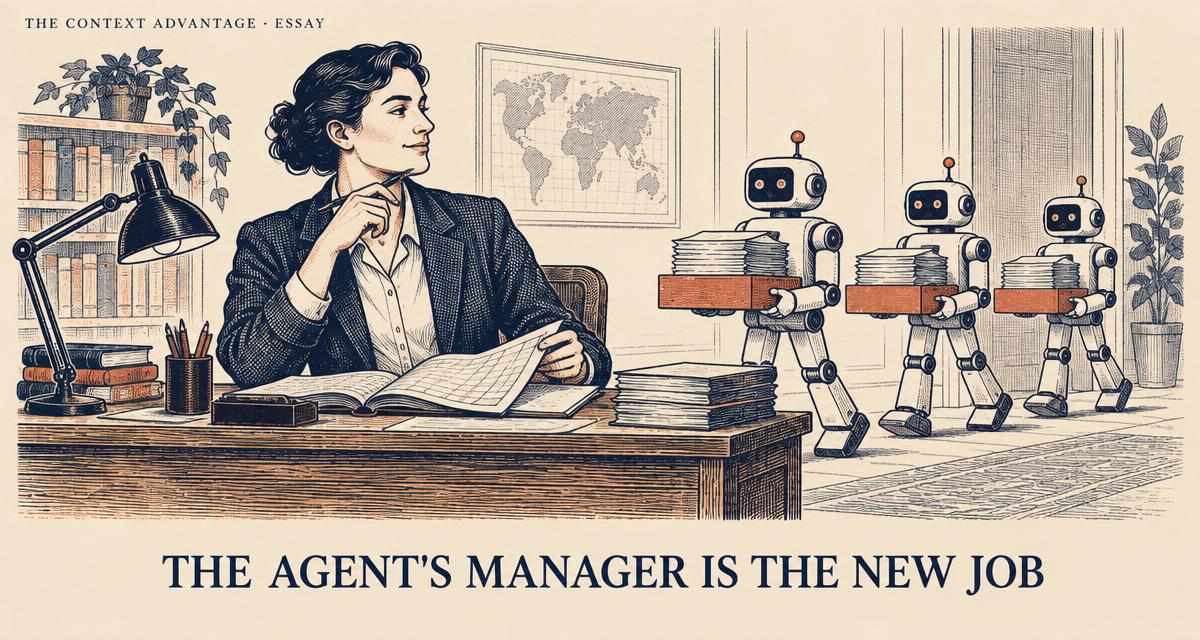
Every wave of automation deleted the task and promoted the person who understood it. Agents are no different. The scarce role is not the prompt writer — it is the human who can brief, supervise, evaluate, and take responsibility for a machine that works.

Every serious system in your company has a backup. Your AI agent runs on one model, from one provider, with one pricing plan and one deprecation schedule. That is not an architecture. It is a bet.
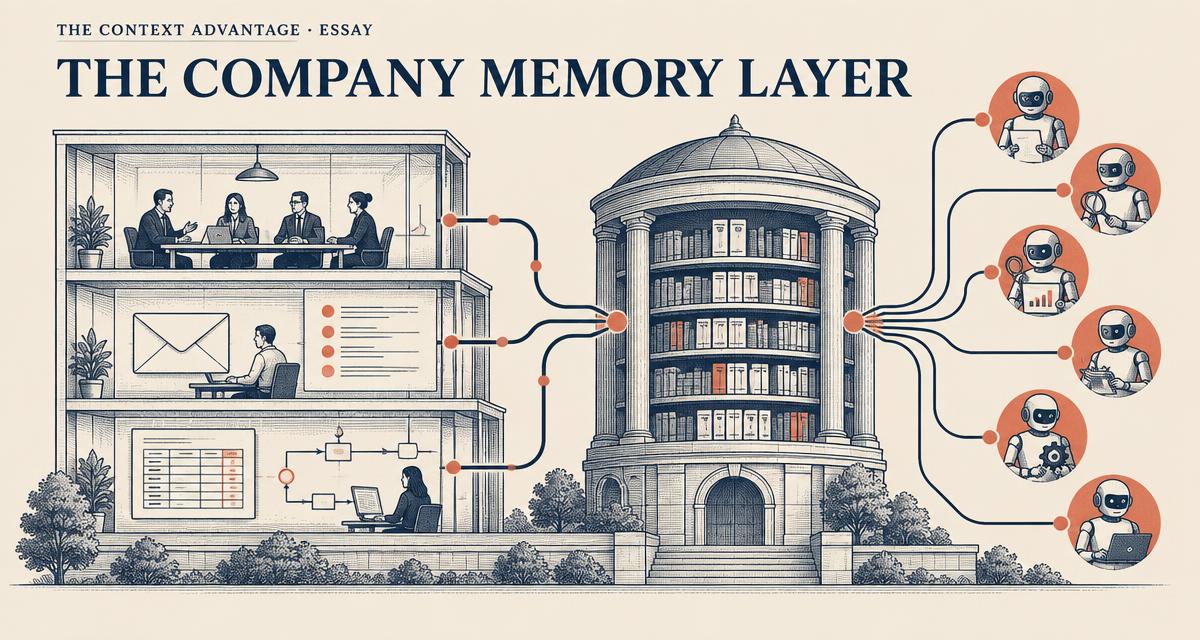
The next enterprise AI unlock is not another model. It is turning the decisions, definitions, exceptions, and lessons trapped in meetings and email into governed memory that agents can actually use.
No. It is platform independent, but includes examples inspired by modern data and AI platforms.
No. Databricks is one reference point, but the book is designed for all data + AI professionals.
Both. It starts simple and gradually moves into enterprise architecture, governance, cost, and platform choices.
Yes. The web version is designed as a living book with continuous updates.
You get a soft book version plus web access.
Yes. It helps professionals understand modern enterprise AI concepts and speak confidently about agentic systems.
Models will keep changing. Tools will keep changing. But data professionals who understand context, control, cost, and choice will stay valuable.